Restoration means something different here
Sydney-wide, roof restoration is a tile-roof product: clean, re-bed, re-point, prime, two coats of membrane. In the Eastern Suburbs the pitched tile roof is the exception. Much of the region is terrace rows behind parapets, flat-roofed Art Deco and 1960s apartment blocks, and metal roofs within sight of the surf. So before quoting a restoration we ask a blunter question than usual: does this roof actually benefit from being coated, or does it need something else?
The Eastern Suburbs hub explains the housing stock in detail. The short version for restoration is below.
Coastal metal roofs
The best restoration candidates in the east are Colorbond and Zincalume roofs on houses and walk-ups from Coogee to Maroubra that have surface rust, chalking and faded colour but no perforation. A metal restoration here means cutting back and treating the rust, replacing every corroded fixing with Class 4 or stainless screws rather than painting over them, sealing the cut edges where salt gets under the coating, and then priming and applying two coats of membrane.
The fixings are the part that matters. A coated roof with the original rusted screws will look good for a year and then bleed rust down every rib. On an exposed Coogee elevation we may also re-fix to the wind pattern in AS 1562.1 while we are there. A metal restoration is from $3,500 on a small roof, depending on rust, screw count, size and access.
The tile pockets: Randwick, Maroubra and Kensington
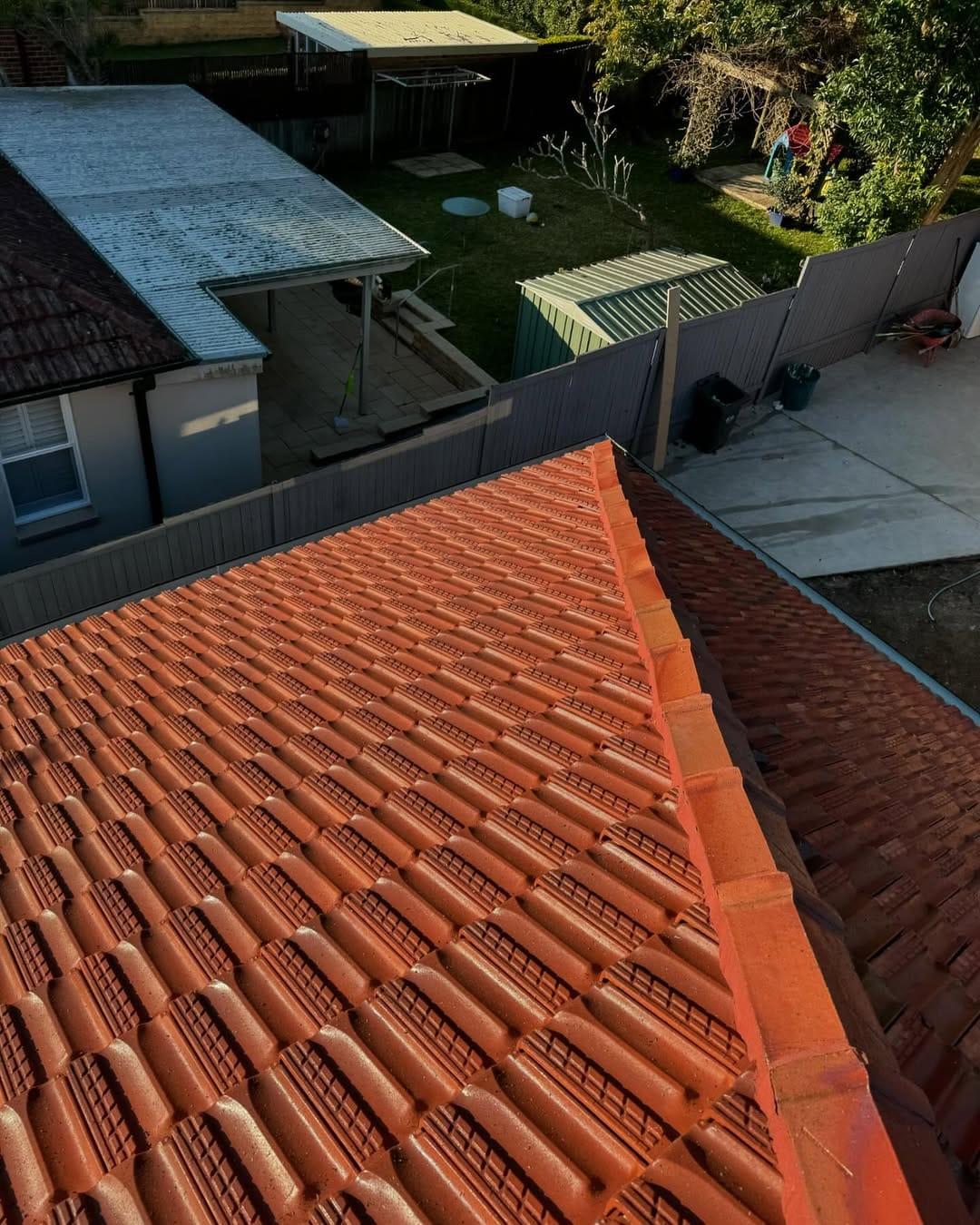
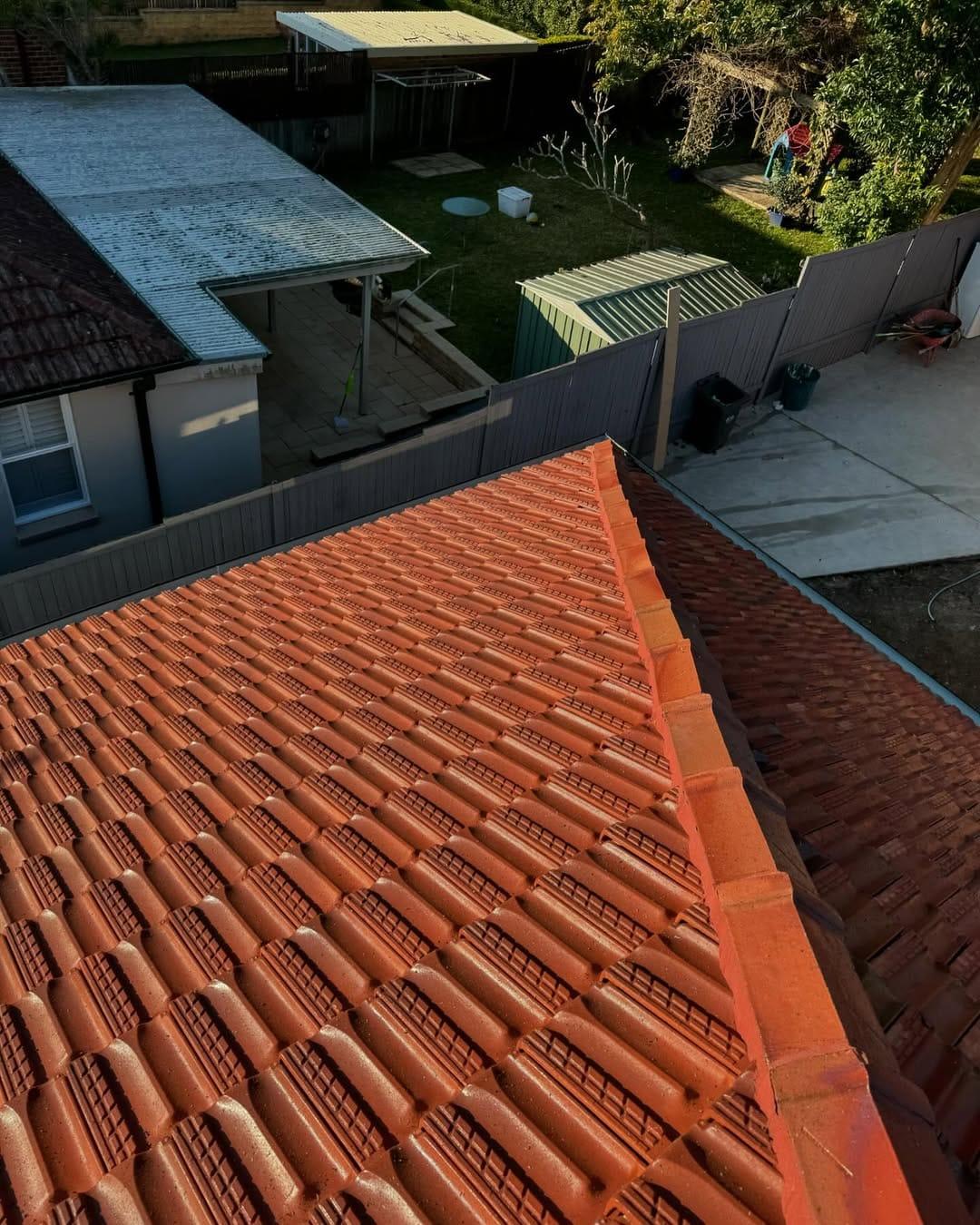
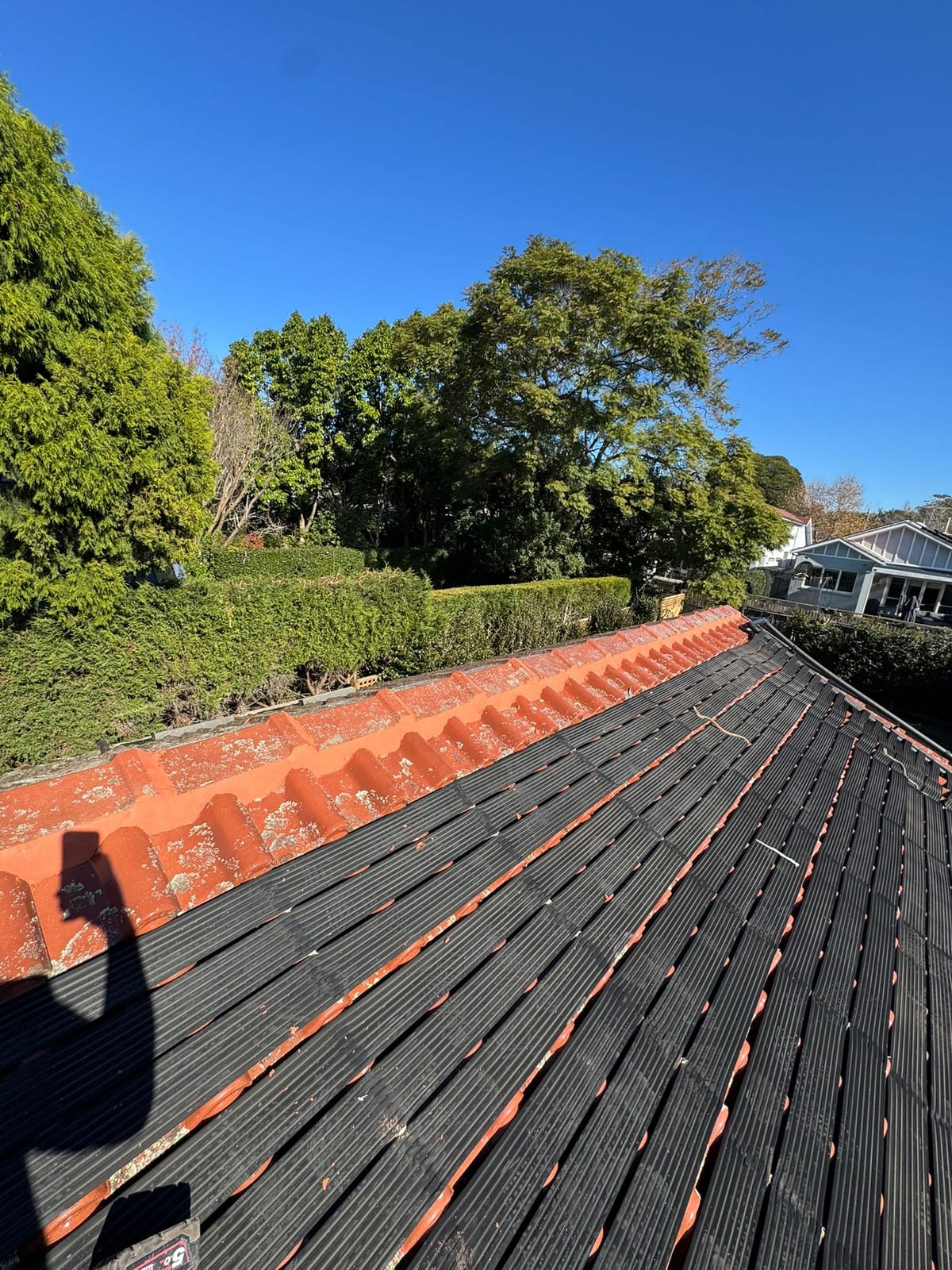
Post-war brick-and-tile homes around Maroubra, South Coogee and the Randwick side of Kingsford are the one real market for conventional tile restoration in the east. Concrete tiles from the 1950s to 1970s are usually porous but sound, the ridge mortar is fretting from salt and movement, and the valley irons are rusted through. A restoration here is the full sequence: high-pressure clean, re-bed and re-point ridges with flexible pointing, replace broken tiles and valley irons in Colorbond, then primer and two membrane coats.
Expect to pay from $4,500 for a typical three-bedroom single-storey home. Salt shortens the life of ordinary coatings, so we use products rated for coastal exposure and tell you honestly what warranty they carry at your distance from the water.
Flat roofs and membranes
Art Deco and 1960s blocks in Bondi and Randwick are the roofs people most often ask us to restore, and they are the ones a spray coating does least for. A torch-on or liquid membrane that has opened at the laps or pulled away from the parapet upstand is not restored by a topcoat. It needs the failed areas cut out and re-laid, new upstands chased into the parapet with a counter-flashing, and box gutter outlets that meet AS/NZS 3500.3. That is waterproofing work, quoted separately, and on a strata block it goes through the committee as a capital item.
What we will not coat
Slate at Double Bay, Woollahra and along the Paddington terrace rows should never be sprayed. A coating traps moisture, hides the delaminating slates that need replacing, and cannot be undone. The correct restoration of a slate roof is re-slating the worn sections on copper nails, re-dressing the lead and renewing the valleys. Terracotta with intact glaze usually only needs the ridges re-bedded and a clean, not a membrane. We would rather quote the smaller job than the wrong one.
Colour and council
Heritage conservation areas cover Paddington and much of Waverley and Woollahra. Recoating a roof in its existing colour is generally fine. A visible colour change on a heritage-listed or conservation-area roof can need approval, so we check the controls with you before the colour is chosen. On strata blocks the colour goes to the committee, and we give them a small number of coastal-rated options rather than the whole chart.
Every restoration quote is free, written and based on a physical inspection of the ridges, fixings and gutters. Ask for a quote and we will tell you plainly whether restoration is the right job for your roof.