Where the water really comes from
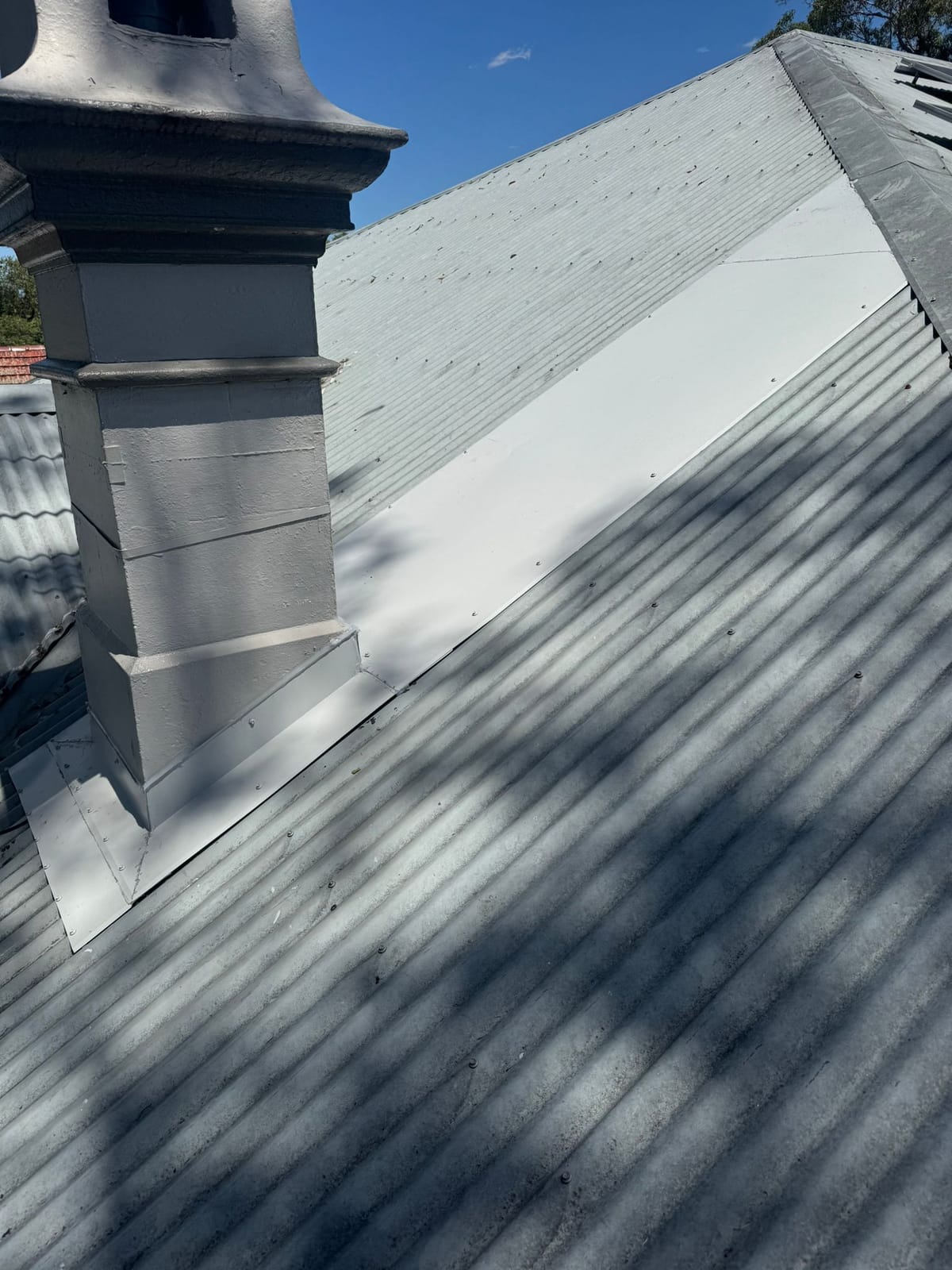
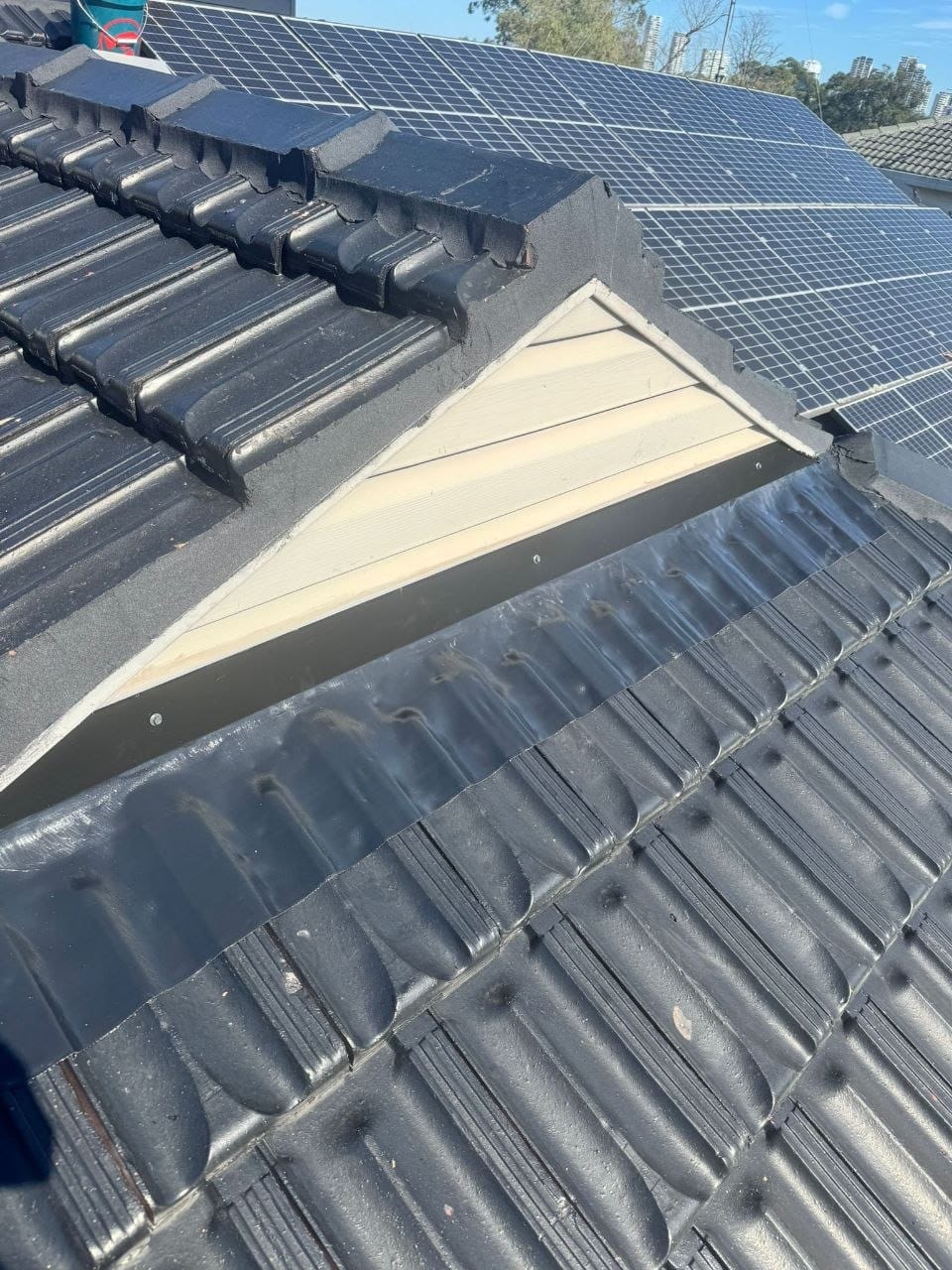
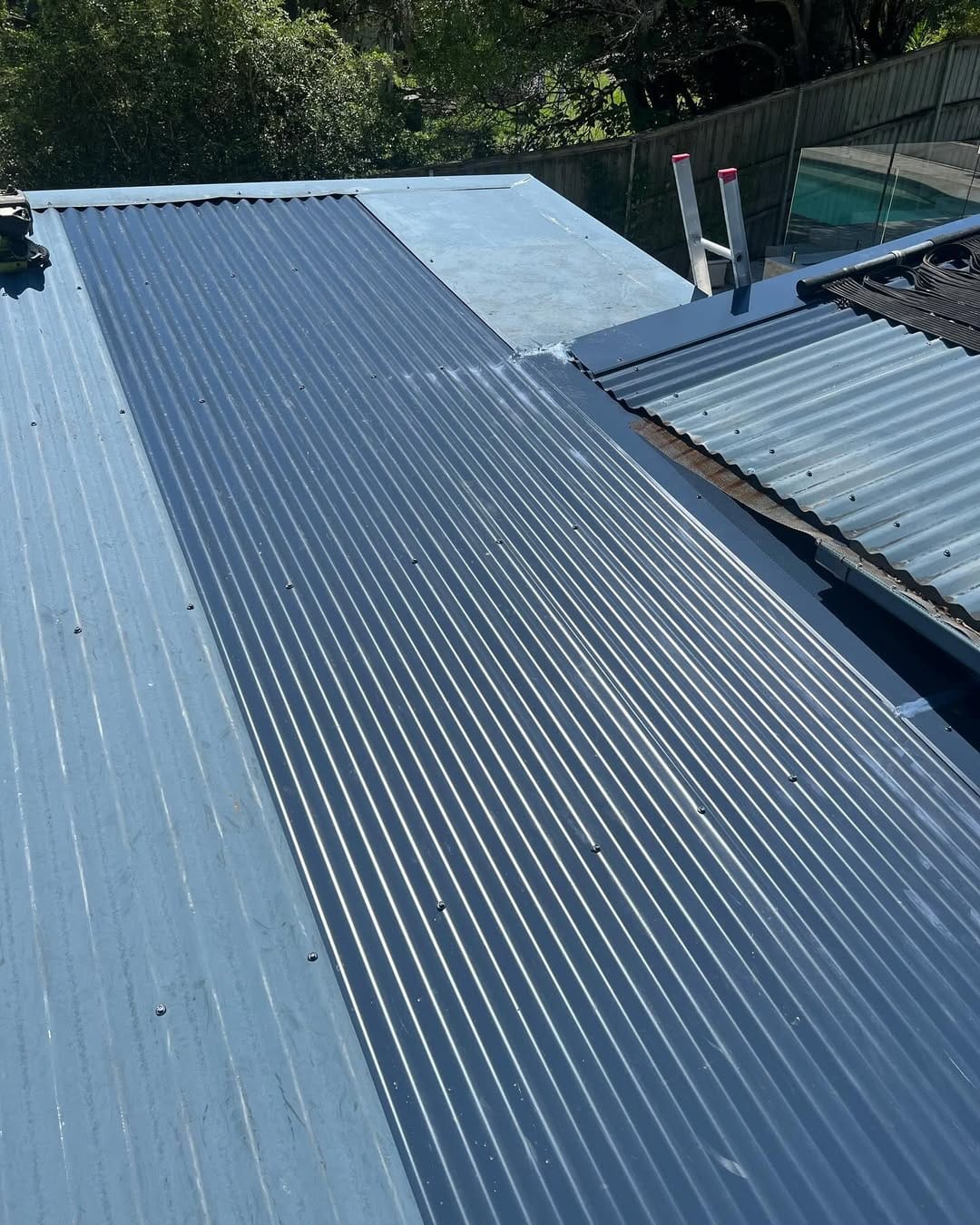
Our roof leak detection and repair page explains how we trace a leak anywhere in Sydney with flood testing, thermal imaging and cavity inspection. In the Eastern Suburbs the method is the same but the suspects are different. Instead of a cracked tile or a slipped ridge, the leak is usually at one of five places, and none of them are the roof surface.
- A parapet wall with cracked render or a lifted capping, letting water into the wall cavity.
- A box gutter that overflows into the ceiling when its outlet blocks or its sump rusts.
- A membrane on a flat roof that has opened at a lap or pulled away from an upstand.
- A party-wall flashing lifted by movement or a neighbour's renovation.
- A metal roof fixing that salt has eaten, leaving a hole where the screw used to seal.
The Eastern Suburbs hub has more on why the housing stock produces these faults. The practical point is that a stain in a front bedroom on a Waverley terrace can come from a parapet two rooms away, and a wet ceiling in a top-floor unit at Randwick can be a downpipe inside the wall rather than anything on the roof.
Flood testing flat roofs and box gutters
On an Art Deco block the roof is a membrane or a metal deck draining to internal box gutters. Looking at it in dry weather tells you very little. We block the outlet, fill the box gutter to its working depth and watch where the water goes, then repeat on suspect membrane laps. It is the only reliable way to separate an overflow problem from a membrane problem, and the two have very different repair costs. Thermal imaging is useful on rendered parapets, where moisture in the wall shows as a cold band days after the rain has stopped.
Wind-driven rain and condensation
Coogee and North Bondi get rain arriving sideways in a southerly, which finds gaps a vertical downpour never touches: under flashings, through unsealed sheet ends, around parapet cappings. If the leak only appears in wind from one direction, that is diagnostic and we want to know. Separately, a fair number of walk-up leaks are not leaks at all. An uninsulated metal deck over a top-floor unit sweats in winter, and the drips look exactly like water ingress. The fix is ventilation or an anti-condensation blanket, not sealant, and we will say so rather than sell you a repair.
Strata: who approves, who pays
Most leaks we attend in the east are in strata buildings, and the person calling is rarely the person who can authorise the work. Our report is written for the strata manager and committee. It states the cause, shows the test that proved it, and prices the make-safe separately from the permanent fix so urgent work can go ahead under the manager's delegation. It also separates the roof fault from the internal damage, because the roof, gutters and membrane are usually common property while the ceiling plaster may belong to the lot. That distinction matters for the insurance claim as well.
Heritage terraces
On a Paddington or Double Bay terrace the leak repair is usually re-flashing, re-dressing lead, repairing parapet render or renewing a box gutter, all of which are like-for-like maintenance and generally exempt from heritage approval. We do not fix a slate roof leak with a coating or a terrace parapet with a bead of silicone, and Woollahra Council would not want us to either.
What it costs in the east
Leak detection and repair typically starts from $350 in the Eastern Suburbs, with complex leaks involving box gutters, membranes or multiple entry points running from $1,200. Emergency tarping and make-safe is priced separately. Where we attend and the cause turns out to be condensation or a plumbing fault, you pay for the inspection and get a report saying so, not a roof repair you did not need.
Quotes are free and written. If the ceiling is wet now, call us. Otherwise book an inspection and photograph the stain each time it changes in the meantime.