Leaks on the peninsula come in four kinds
The leak detection and repair page explains flood testing, thermal imaging and why we chase the source rather than the stain. On the beaches the sources are more predictable than anywhere else we work, and one of them is not a leak at all.
1. Condensation at Narrabeen and around the lagoon
The call goes like this: the ceiling drips on cold clear nights in June and July, never during rain, and there is no stain to speak of. That is condensation on the underside of an uninsulated metal roof, and it is most of the winter calls we get from Narrabeen, North Narrabeen and Warriewood. We flood test to rule out a genuine leak, then the fix is an anti-condensation blanket and roof-space ventilation. Sealant does nothing. If a roofer quotes you a re-seal for a winter-only drip near the lagoon, get a second opinion.
2. Corroded fixings and pinholed laps on metal roofs
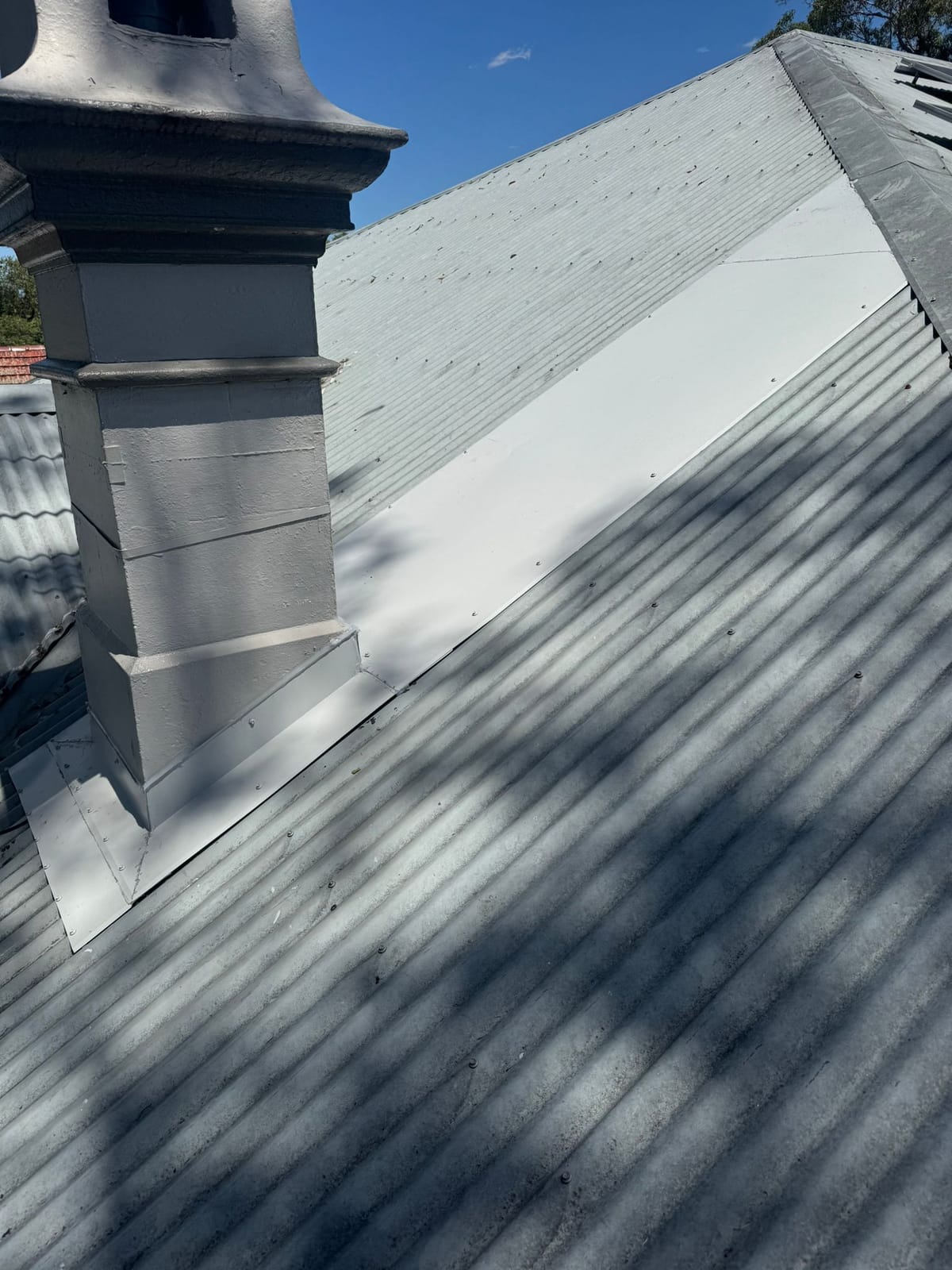
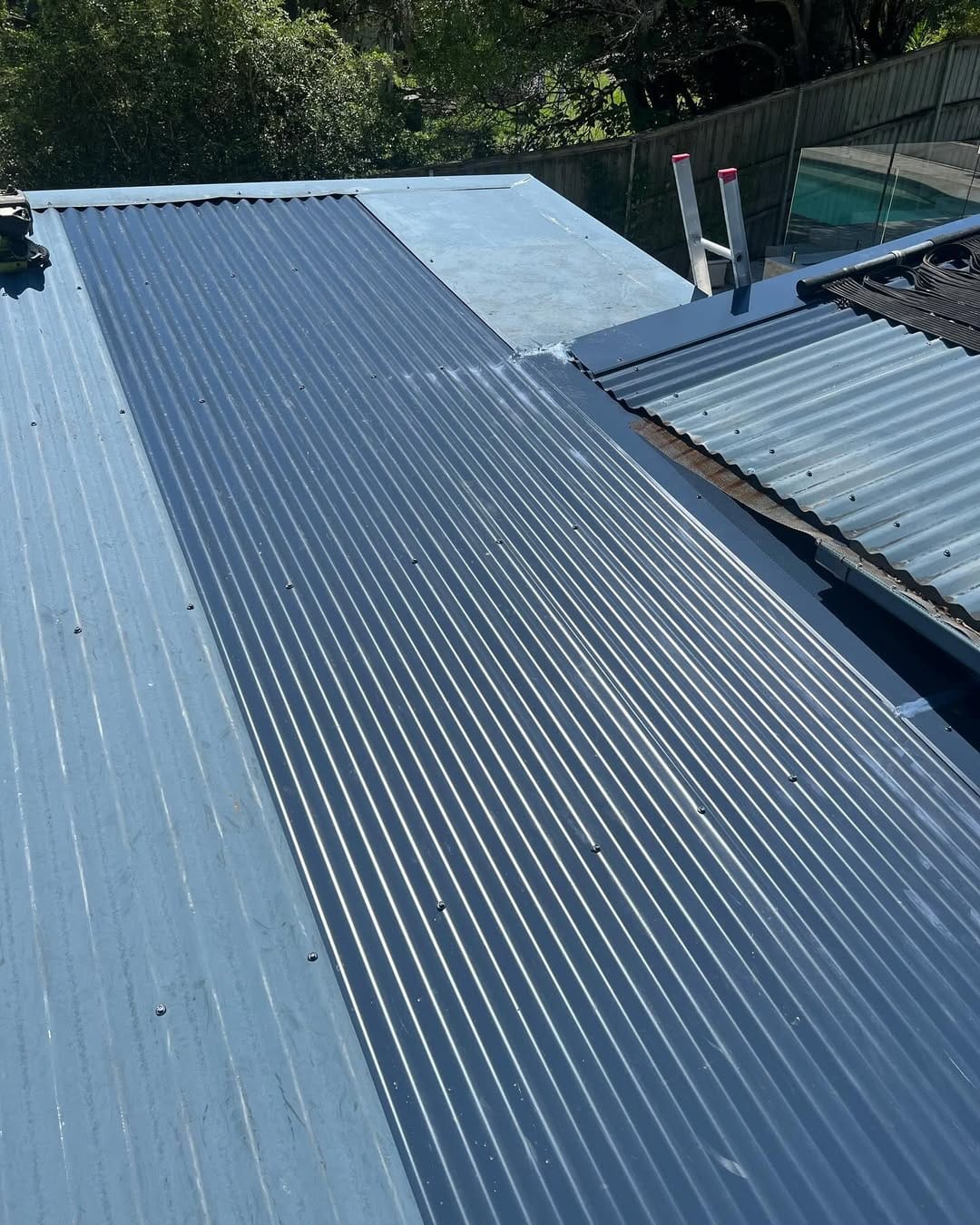
The real leaks at Mona Vale, Collaroy, Curl Curl and Freshwater are almost always at the fixings. Salt eats the zinc-plated screw head, the washer fails and water follows the thread straight into the ceiling. The second version is pinholes along the side laps where two sheets overlap and salt sits in the joint. Both show as a scattered pattern of stains rather than one line, which is the tell. We replace fixings in Class 4 or stainless and, where the lap has gone, replace the sheet rather than trying to seal a hole that will reopen.
3. Wind-driven rain on exposed blocks
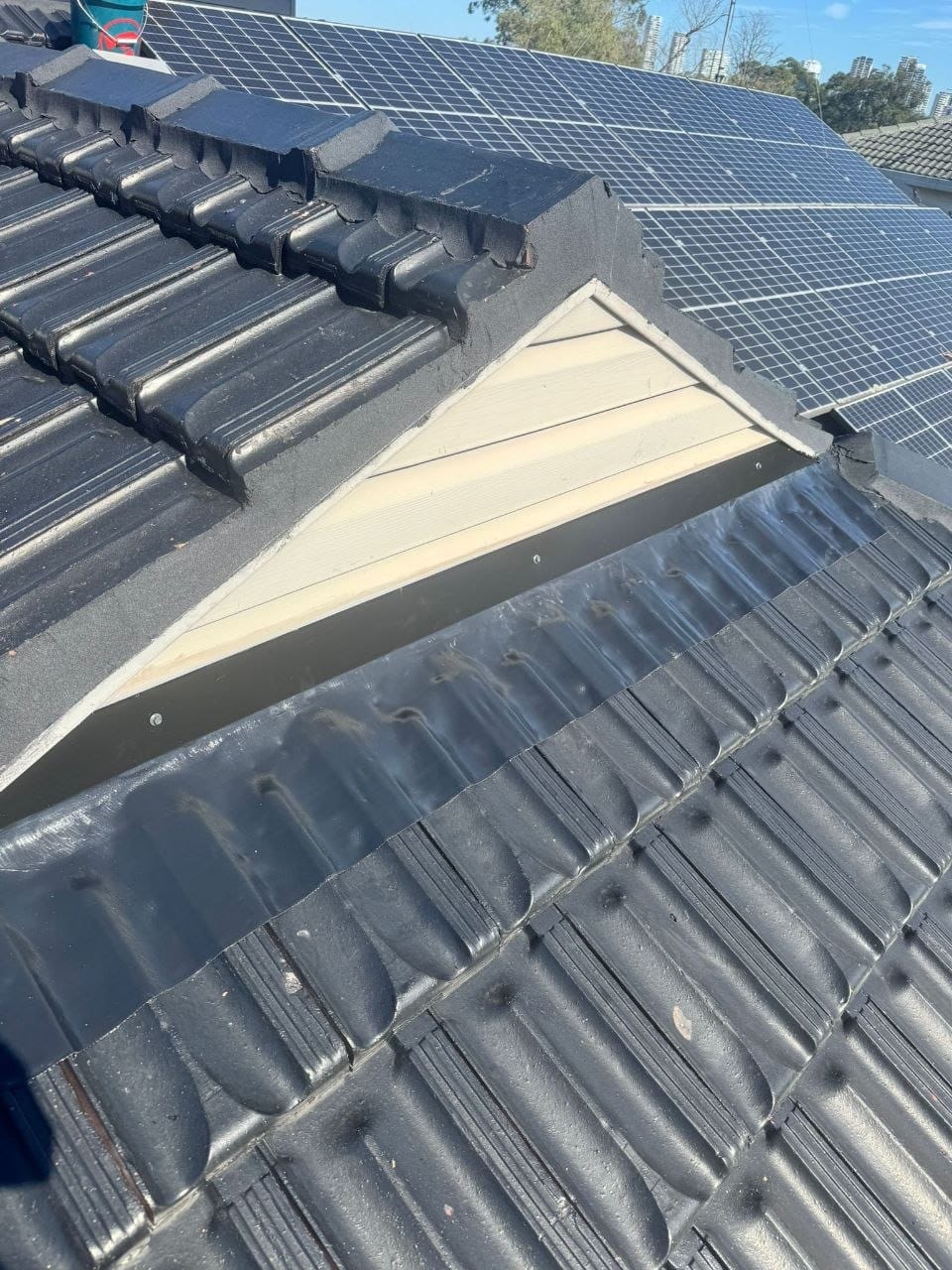
On a headland at Newport, Bilgola or North Curl Curl a southerly drives rain uphill under the laps and up under the ridge capping. The roof is sound and the leak only appears in a storm from one direction. The repair is mechanical: profile-matched closures under the ridge and at the eaves, lap sealant rated for the movement, and extra fixings where the sheet lifts. We test it with a hose from the storm direction, not straight down.
4. Box gutter overflow on Dee Why strata
Top-floor units in the 1960s and 70s walk-ups leak from the box gutter, not the roof. A blocked sump, a lap in the membrane lifting at the parapet, or an overflow that was never installed sends water over the internal lip into the ceiling below. These are the complex leaks in our pricing because the water travels a long way before it shows, and they usually need a report the owners corporation can act on.
How we find it here
Flood testing works differently on a windy coastal roof. We hose from the direction the weather comes from and we do it section by section, because a beaches roof can have three separate faults at once, each showing at a different time of year. Thermal imaging picks up the wet insulation around a corroded screw hole that is not yet visible from below. We also pull screws in a pattern rather than only where the stain is, because on a coastal roof the ones that have not leaked yet are next.
If you want to do some checking before we arrive, our guide to finding the source of a roof leak is written for exactly that.
What it costs on the beaches
| Leak type | Starting price (2026, inc. GST) |
|---|---|
| Fixing corrosion, one section of metal roof | From $350 |
| Wind-driven ingress, ridge and eave closures | From $350 |
| Lap corrosion needing sheet replacement | From $900 |
| Strata box gutter and membrane leak | From $1,200, more for full rectification |
| Condensation fix, blanket and ventilation | quoted per roof after testing |
Stainless fixings and access on escarpment blocks or Manly lanes are itemised on the quote.
Coming from Gladesville
We are 30 to 45 minutes from the Northern Beaches, and an active leak in a storm is an emergency call, attended the same day where availability permits, with a make-safe first and the proper repair when the roof is dry enough to work on. For a leak that only appears in certain weather we book the testing into a beaches run and come back to repeat it in the right conditions if we have to. Every repair carries our 2-year workmanship warranty. Book a leak inspection and tell us when it drips; that alone usually narrows it down.